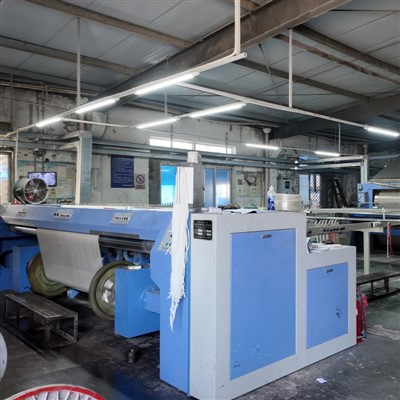
Installing a direct warping machine is a significant step for textile manufacturers aiming to enhance their production efficiency and quality. As a direct warping machine supplier, I understand the importance of providing clear and detailed guidance on the installation process. In this blog, I will share a comprehensive guide on how to install a direct warping machine, covering everything from preparation to the final setup.
Preparation Before Installation
Site Assessment
Before bringing the direct warping machine to your facility, it is crucial to assess the installation site. The site should be spacious enough to accommodate the machine and provide sufficient clearance for operators to move around. Ensure that the floor is level and can support the weight of the machine. A non - level floor can cause the machine to operate unevenly, leading to potential damage and poor performance.
Power and Utilities
Check the power requirements of the direct warping machine. It usually requires a stable power supply with the appropriate voltage and phase. Install the necessary electrical wiring and ensure that the power outlet is properly grounded. Additionally, consider the water and air supply if the machine has cooling or pneumatic systems. Adequate ventilation is also essential to prevent overheating of the machine components.
Machine Inspection
Upon receiving the direct warping machine, conduct a thorough inspection. Check for any visible damage during transportation, such as dents, scratches, or loose parts. Verify that all the components are included as per the machine's specification. This step is crucial as it allows you to identify and address any issues before the installation process begins.
Installation Steps
Unpacking and Assembly
Carefully unpack the direct warping machine components. Follow the assembly instructions provided in the user manual. Start by assembling the main frame of the machine. Ensure that all the bolts and nuts are tightened securely to prevent any vibrations during operation. Attach the control panel, motors, and other electrical components according to the wiring diagram.
Alignment
Proper alignment is key to the smooth operation of the direct warping machine. Use precision tools to align the various parts, such as the creels, guides, and drums. Misalignment can lead to uneven tension in the yarns, resulting in poor quality warps. Check the alignment of the machine's axis and make any necessary adjustments.
Yarn Path Setup
Set up the yarn path according to the machine's design. This involves threading the yarn through the creels, tensioners, guides, and onto the warp beam. Make sure that the yarn is properly guided and that there are no kinks or tangles. The yarn path should be optimized to ensure consistent tension and quality throughout the warping process.
Calibration
Calibrate the direct warping machine to ensure accurate operation. This includes setting the speed, tension, and length parameters. Use the machine's control panel to input the desired values and perform test runs. During the calibration process, monitor the machine's performance and make adjustments as needed.

Testing and Commissioning
Initial Testing
After the installation and calibration, conduct an initial test run of the direct warping machine. Start the machine at a low speed and observe its operation. Check for any abnormal noises, vibrations, or malfunctions. Monitor the tension of the yarns and the quality of the warps. If any issues are detected, stop the machine immediately and troubleshoot the problem.
Full - Scale Testing
Once the initial test run is successful, conduct a full - scale test. Run the machine at its normal operating speed and produce a sample warp. Inspect the sample for quality, including the evenness of the yarn tension, the alignment of the yarns, and the overall appearance. Make any final adjustments to the machine settings based on the results of the full - scale test.
Training
Provide training to the operators on how to use the direct warping machine. The training should cover the basic operation, maintenance, and troubleshooting of the machine. Ensure that the operators are familiar with the machine's control panel, safety features, and emergency procedures. Well - trained operators can significantly improve the efficiency and reliability of the machine.
Types of Warping Machines
In addition to the direct warping machine, there are other types of warping machines available in the market. For example, the Sample Warper is designed for producing small - scale samples. It is ideal for textile designers and manufacturers who need to test different yarns and patterns.
The Spandex Warping Machine is specifically designed for warping spandex yarns. Spandex has unique properties, such as high elasticity, which require special handling during the warping process. This machine can ensure that the spandex yarns are warped with the correct tension and alignment.
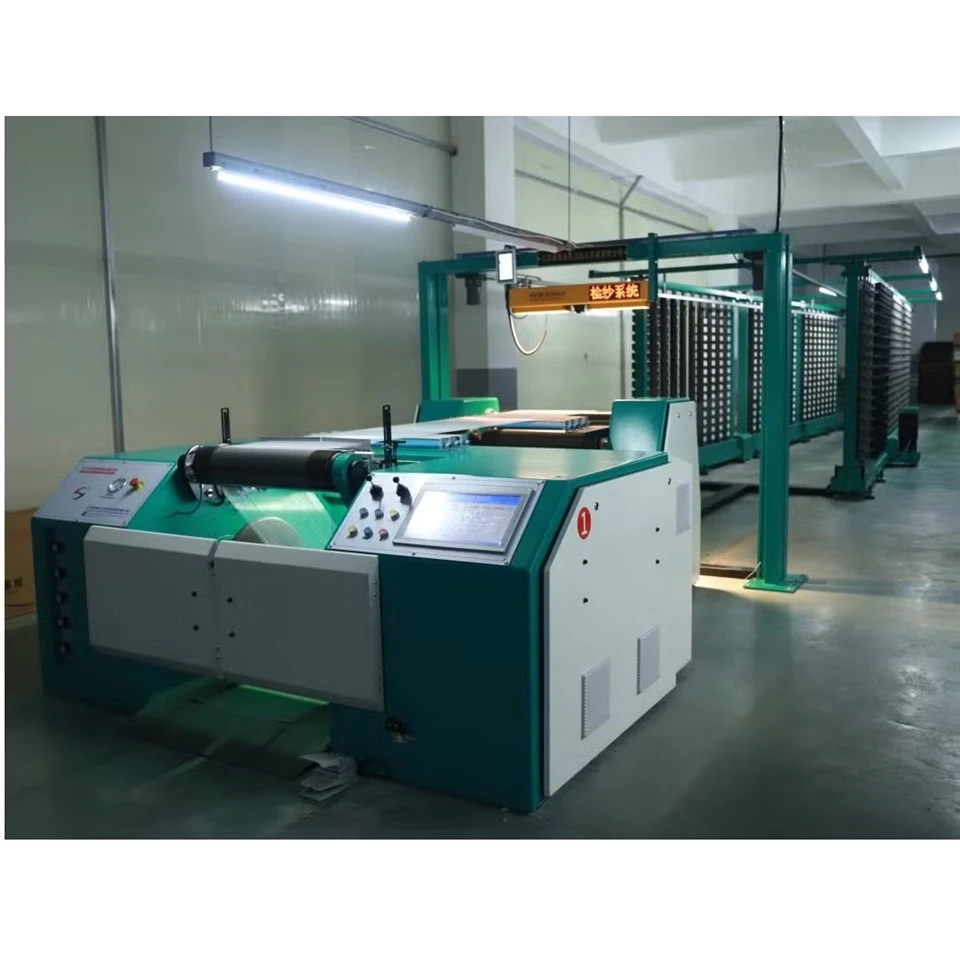
Our Direct Warper offers high - speed and efficient warping for large - scale production. It is suitable for a wide range of yarns, including cotton, polyester, and blends. With advanced features and reliable performance, our direct warping machine can help you increase your production capacity and improve the quality of your warps.
Conclusion
Installing a direct warping machine is a complex process that requires careful planning, precise execution, and thorough testing. By following the steps outlined in this guide, you can ensure a successful installation and commissioning of the machine. As a direct warping machine supplier, we are committed to providing high - quality machines and comprehensive support to our customers.
If you are interested in purchasing a direct warping machine or need more information about our products, please feel free to contact us for procurement and negotiation. We look forward to working with you to meet your textile production needs.
References
- Textile Machinery Handbook: A comprehensive guide to textile machinery installation and operation.
- Manufacturer's User Manual: The official manual provided by the direct warping machine manufacturer.