In the textile industry, beaming machines play a crucial role in the process of preparing warp yarns for weaving. As a beaming machine supplier, I have witnessed firsthand the challenges and opportunities that come with integrating these machines into a broader textile production setup. Compatibility issues between beaming machines and other equipment can significantly impact the efficiency, quality, and overall productivity of a textile manufacturing operation. In this blog post, I will delve into the various compatibility issues that can arise and offer insights on how to address them.

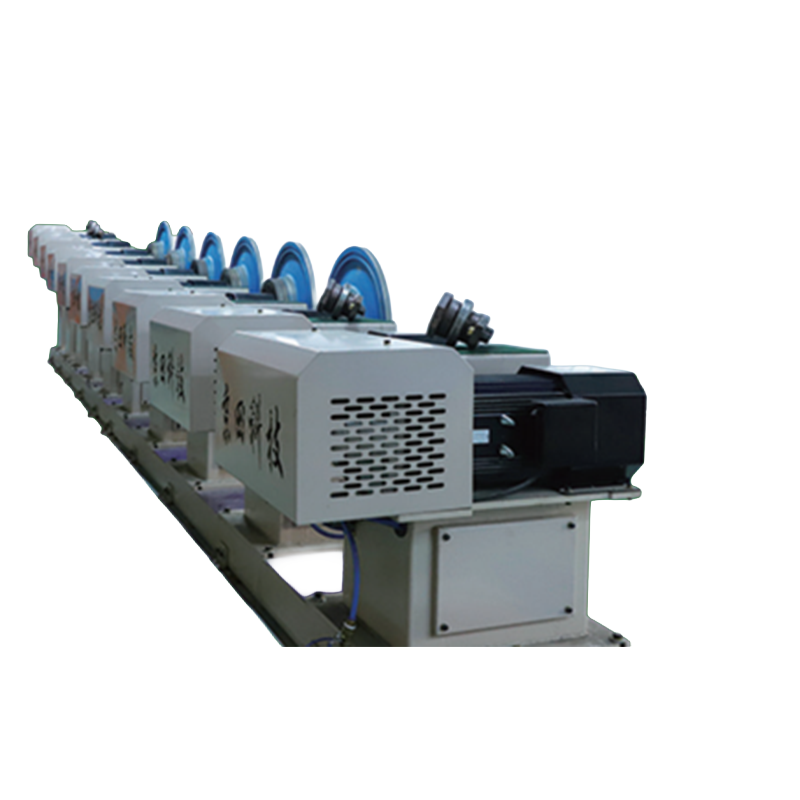
Mechanical Compatibility
One of the primary areas where compatibility issues can occur is in the mechanical aspects of the beaming machine and other equipment. For example, the physical dimensions and mounting requirements of the beaming machine need to be compatible with the available space and infrastructure in the production facility. If the machine is too large or has specific mounting needs that cannot be accommodated, it can lead to installation difficulties and potential safety hazards.
Moreover, the mechanical interfaces between the beaming machine and other equipment, such as creels, warping machines, and looms, must be carefully considered. The alignment of yarn paths, the tension control mechanisms, and the speed synchronization between different machines are critical for smooth operation. Incompatible mechanical interfaces can result in yarn breakage, uneven tension, and poor quality of the final product.
Electrical Compatibility
Electrical compatibility is another crucial factor in the integration of beaming machines with other equipment. The power requirements of the beaming machine, including voltage, current, and frequency, must match the electrical supply available in the facility. Mismatched electrical specifications can lead to equipment damage, electrical failures, and even safety risks.
In addition, the communication protocols and control systems used in the beaming machine and other equipment need to be compatible. Modern beaming machines often feature advanced control systems that allow for remote monitoring and operation. These systems need to be able to communicate effectively with other equipment in the production line to ensure coordinated operation. Incompatible communication protocols can result in data transfer errors, system malfunctions, and reduced productivity.
Software Compatibility
With the increasing use of automation and digital technologies in the textile industry, software compatibility has become a significant concern. The operating software of the beaming machine needs to be compatible with the software used in other equipment, such as the control systems of creels, warping machines, and looms. Incompatible software can lead to data transfer issues, system crashes, and difficulties in integrating different machines into a unified production process.
Furthermore, the software used in the beaming machine should support the required functionality and features for seamless integration with other equipment. For example, it should be able to communicate with the creel to control the yarn feeding, monitor the tension of the yarn, and adjust the speed of the beaming process based on the requirements of the downstream equipment.
Material Compatibility
The materials used in the beaming process, such as yarns, dyes, and chemicals, can also affect the compatibility of the beaming machine with other equipment. Different types of yarns have different properties, such as fiber composition, diameter, and strength. The beaming machine needs to be able to handle these different types of yarns without causing damage or quality issues.
In addition, the dyes and chemicals used in the textile production process can interact with the materials of the beaming machine and other equipment. Compatibility issues between these materials can lead to corrosion, wear and tear, and reduced lifespan of the equipment. It is important to ensure that the materials used in the beaming process are compatible with the materials of the machine and other equipment to avoid these problems.
Addressing Compatibility Issues
To address the compatibility issues between beaming machines and other equipment, it is essential to take a proactive approach. Here are some steps that can be taken:
- Conduct a thorough assessment: Before purchasing a beaming machine, it is important to conduct a detailed assessment of the existing equipment and infrastructure in the production facility. This includes evaluating the physical dimensions, electrical requirements, software systems, and material compatibility of the equipment. Based on this assessment, the appropriate beaming machine can be selected to ensure compatibility with the existing setup.
- Work with experienced suppliers: When choosing a beaming machine supplier, it is important to work with a company that has extensive experience in the textile industry and a proven track record of providing compatible equipment. A reliable supplier can offer technical support and guidance on the selection and integration of the beaming machine with other equipment.
- Perform testing and validation: Before fully integrating the beaming machine into the production line, it is important to perform thorough testing and validation to ensure that it is compatible with other equipment. This includes testing the mechanical, electrical, software, and material compatibility of the machine. Any issues identified during the testing process should be addressed before the machine is put into full operation.
- Provide training and support: To ensure that the operators of the beaming machine and other equipment are able to use them effectively and safely, it is important to provide comprehensive training and support. This includes training on the operation, maintenance, and troubleshooting of the equipment, as well as on the compatibility issues and how to address them.
Conclusion
Compatibility issues between beaming machines and other equipment can have a significant impact on the efficiency, quality, and productivity of a textile manufacturing operation. By understanding the various types of compatibility issues and taking proactive steps to address them, textile manufacturers can ensure the smooth integration of beaming machines into their production lines. As a beaming machine supplier, I am committed to providing high-quality equipment and technical support to help our customers overcome these challenges and achieve their production goals.
If you are interested in learning more about our Textile Beaming Machine, Polyester Beaming Machine, or High - Speed Beaming Machine, please feel free to contact us for further information and to discuss your specific requirements. We look forward to working with you to find the best solution for your textile production needs.
References
- Textile Machinery Handbook, various editions
- Journal of Textile Engineering and Technology, multiple issues related to beaming machine technology
- Industry reports on textile manufacturing equipment compatibility