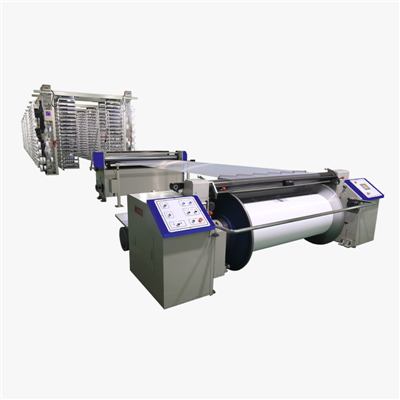
Hey there! I'm a supplier of Sizing Warping Machines, and today I want to chat about the environmental impacts of these machines. As someone who's in the business, I've seen firsthand how they operate and the effects they can have on the environment. So, let's dive right in.
Energy Consumption
One of the most significant environmental impacts of a Sizing Warping Machine is its energy consumption. These machines are pretty power - hungry. They need a lot of electricity to run the motors, heaters, and other components. The energy used often comes from non - renewable sources like coal or natural gas. When we burn these fossil fuels to generate electricity, it releases a ton of greenhouse gases, mainly carbon dioxide, into the atmosphere.
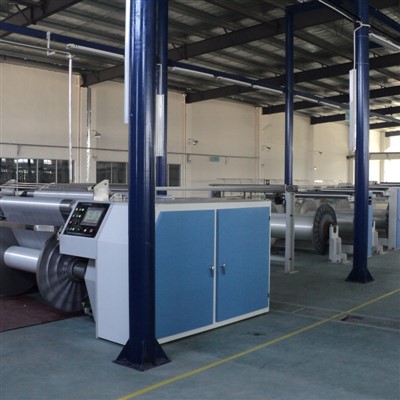
This increase in carbon dioxide levels contributes to global warming and climate change. Rising temperatures can lead to all sorts of problems, from more extreme weather events like hurricanes and droughts to rising sea levels. As a supplier, I'm always looking for ways to make our machines more energy - efficient. Some modern Sizing Warping Machines come with advanced control systems that can adjust the energy usage based on the workload. For example, if the machine is running at a lower capacity, it can reduce the power consumption.
Water Usage
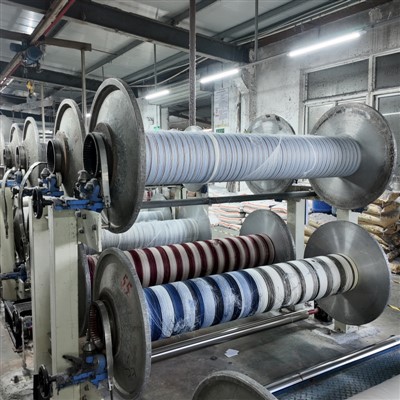
Sizing Warping Machines also use a significant amount of water. The sizing process involves applying a sizing agent to the yarn, and water is used to mix and apply this agent. A large amount of water is required for this process, and in many cases, this water is not recycled properly. When water is used and then discharged without proper treatment, it can contaminate local water sources.
The sizing agents often contain chemicals that can be harmful to aquatic life. These chemicals can disrupt the ecosystem in rivers, lakes, and other water bodies. They can reduce the oxygen levels in the water, which can lead to the death of fish and other aquatic organisms. To combat this, we're promoting the use of water - recycling systems in our Sizing Warping Machines. These systems can filter and reuse the water, reducing the overall water consumption and minimizing the environmental impact.
Chemical Waste
The sizing agents used in Sizing Warping Machines are another environmental concern. These agents are often made up of various chemicals, some of which can be toxic. When the sizing process is complete, there's usually some leftover chemical waste. If this waste is not disposed of properly, it can seep into the soil and groundwater.
Toxic chemicals in the soil can affect plant growth and can also enter the food chain. Contaminated groundwater can be a source of drinking water for humans and animals, which can lead to health problems. As a supplier, we're working with our customers to ensure that they have proper waste - management systems in place. We're also researching and promoting the use of more environmentally friendly sizing agents that are biodegradable and less toxic.
Noise Pollution
Sizing Warping Machines can be quite noisy. The motors, gears, and other moving parts generate a lot of noise during operation. This noise can be a nuisance to workers in the factory and can also have an impact on the surrounding community. Prolonged exposure to high - level noise can cause hearing loss and other health problems for workers.
To address this issue, we're designing our machines with better noise - reduction features. For example, we're using sound - insulating materials in the machine's construction. We're also recommending that factories install noise - reducing barriers around the machines to minimize the noise pollution.
Waste Generation
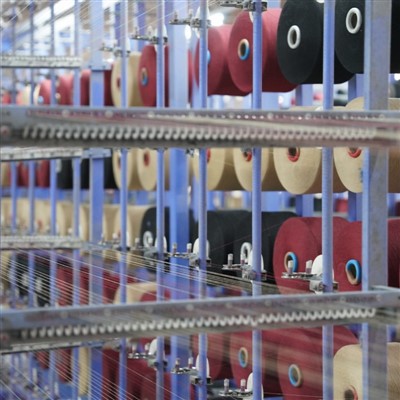
In addition to chemical waste, Sizing Warping Machines also generate other types of waste. For example, there may be leftover yarn scraps and packaging materials. If these are not managed properly, they can end up in landfills. Landfills take up a lot of space and can also release methane, a potent greenhouse gas, as the waste decomposes.
We're encouraging our customers to implement recycling programs for these waste materials. Yarn scraps can be recycled into new products, and packaging materials can be reused or recycled. By reducing the amount of waste going to landfills, we can have a positive impact on the environment.
Positive Environmental Impacts
It's not all bad news, though. Sizing Warping Machines also have some positive environmental impacts. For example, they can improve the quality of the yarn, which can lead to longer - lasting textile products. When products last longer, they don't need to be replaced as often, which reduces the overall demand for new materials and energy used in the manufacturing process.
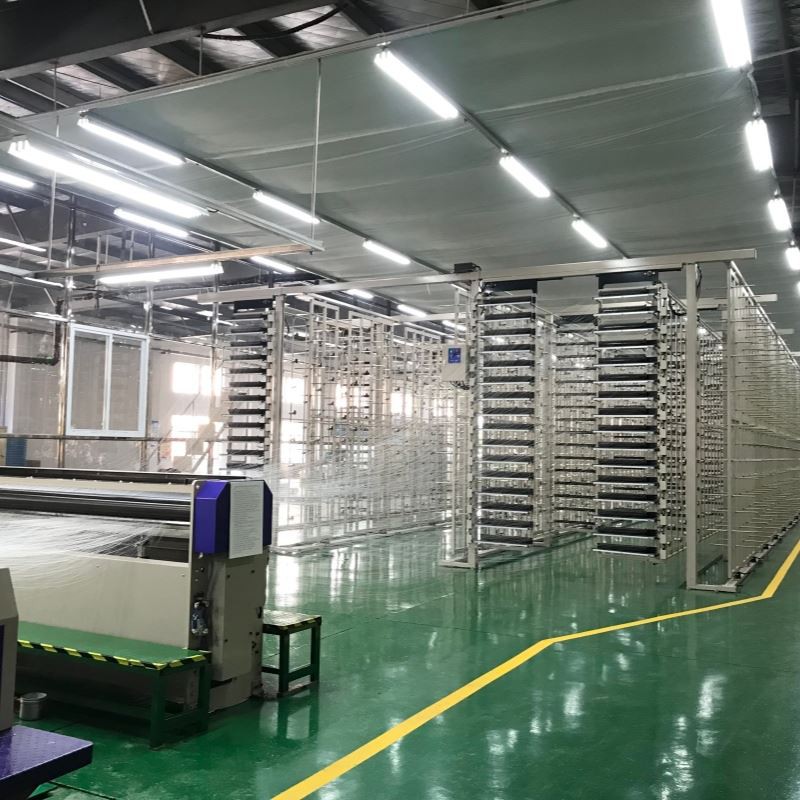

Also, modern Sizing Warping Machines are becoming more efficient. They can produce more yarn in less time, which means that less energy and resources are used per unit of production. This is a step in the right direction towards a more sustainable manufacturing process.
The Future of Sizing Warping Machines and the Environment
As a supplier, I'm committed to making our Sizing Warping Machines more environmentally friendly. We're constantly researching and developing new technologies to reduce energy consumption, water usage, and chemical waste. We're also working with our customers to educate them about the importance of environmental protection and how they can operate the machines in a more sustainable way.
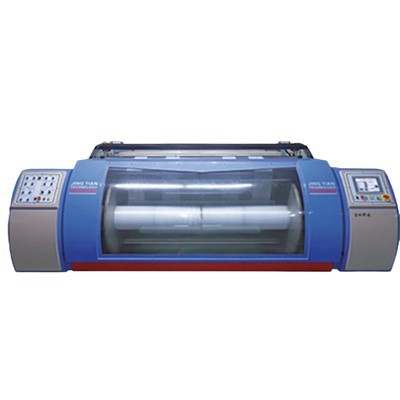
If you're in the market for a Sizing Warping Machine, or if you're interested in learning more about our products, we'd love to hear from you. You can check out our Sizing Warping Machine on our website. We also offer Single End Warping Machine and Weaving Warping Machine for different needs.
Contact us to discuss your requirements and how we can help you with a more sustainable solution for your textile manufacturing process.
References
- Textile Manufacturing Handbook: Covers general information about textile manufacturing processes including sizing and warping.
- Environmental Science Journals: Articles on the environmental impacts of industrial processes and potential solutions.