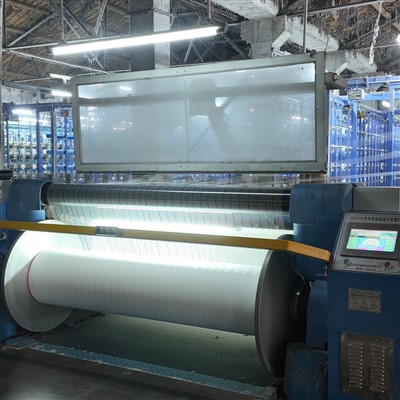
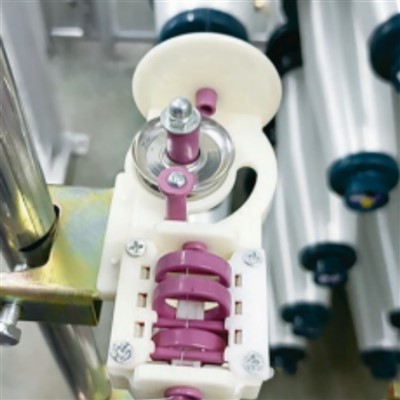
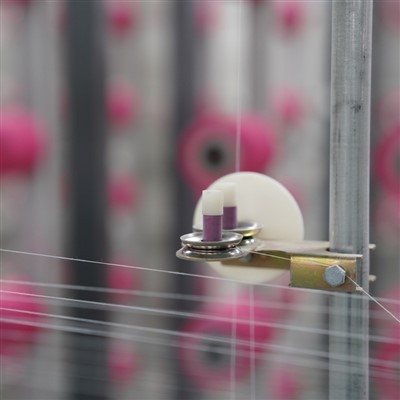
As a supplier of High Speed Section Warpers, I'm often asked about the types of yarns that our machines can process. The High Speed Section Warper is a versatile piece of equipment in the textile industry, capable of handling a wide range of yarns to meet various production needs. In this blog, I'll explore the different types of yarns that our High Speed Section Warper can effectively process.
Natural Fibre Yarns
Cotton Yarn
Cotton is one of the most widely used natural fibres in the textile industry. Our High Speed Section Warper can process cotton yarns of different counts and qualities. Whether it's fine cotton yarn used for high - end apparel or coarser cotton yarn for home textiles, our machine can handle it with precision. The high - speed operation of the warper ensures efficient production, while the advanced tension control system maintains consistent tension throughout the warping process, resulting in a uniform warp beam.
Wool Yarn
Wool is another important natural fibre. Our warper can process wool yarns, including merino wool, which is known for its softness and fineness, as well as coarser wool types. Wool yarns require special handling due to their elasticity and tendency to felt. Our machine is equipped with features that can adjust the tension and speed according to the characteristics of wool yarn, ensuring a smooth warping process without damaging the fibres.
Silk Yarn
Silk is a luxurious natural fibre. Our High Speed Section Warper can process silk yarns, which are often used in high - end fashion and luxury textiles. Silk yarns are delicate and require careful handling. The warper's gentle handling mechanism and precise tension control prevent breakage and ensure the quality of the warp beam.
Synthetic Fibre Yarns
Polyester Yarn
Polyester is a popular synthetic fibre due to its durability, wrinkle - resistance, and easy care. Our warper can process polyester yarns of various deniers. Whether it's fine polyester yarn for sportswear or thick polyester yarn for industrial applications, our machine can handle the warping process efficiently. The high - speed operation of the warper allows for large - scale production, and the stable tension control ensures the uniformity of the warp.
Nylon Yarn
Nylon is known for its high strength and abrasion resistance. Our High Speed Section Warper can process nylon yarns, which are commonly used in products such as hosiery, sportswear, and industrial fabrics. The machine's ability to handle high - speed warping while maintaining consistent tension makes it suitable for processing nylon yarns.
Acrylic Yarn
Acrylic yarn is a synthetic alternative to wool. It is often used in knitting and weaving applications. Our warper can process acrylic yarns, providing a smooth and efficient warping process. The machine's adjustable settings allow for the customization of the warping process according to the specific requirements of acrylic yarn.
Blended Yarns
Cotton - Polyester Blends
Cotton - polyester blends combine the comfort of cotton with the durability and wrinkle - resistance of polyester. Our High Speed Section Warper can process these blended yarns, offering a solution for manufacturers who want to take advantage of the benefits of both fibres. The machine's ability to handle different fibre characteristics ensures a high - quality warp beam.
Wool - Acrylic Blends
Wool - acrylic blends are popular in the textile industry, as they combine the warmth and softness of wool with the affordability and easy care of acrylic. Our warper can process these blended yarns, providing a consistent and efficient warping process.
Specialty Yarns
Metallic Yarns
Metallic yarns are used for decorative purposes in the textile industry. Our High Speed Section Warper can process metallic yarns, which require special handling due to their unique properties. The machine's precise tension control and gentle handling mechanism prevent the breakage of metallic yarns and ensure a high - quality warp beam.
Bamboo Yarn
Bamboo yarn is a sustainable and eco - friendly option. Our warper can process bamboo yarns, which are known for their softness and breathability. The machine's ability to handle the delicate nature of bamboo yarn ensures a smooth warping process.
The Advantages of Our High Speed Section Warper
Our High Speed Section Warper offers several advantages when processing different types of yarns. Firstly, its high - speed operation significantly increases productivity. With a faster warping speed, manufacturers can produce more warp beams in a shorter time, reducing production costs and increasing efficiency.
Secondly, the advanced tension control system is crucial for processing different types of yarns. Different yarns have different characteristics, such as elasticity, strength, and fineness. Our machine can adjust the tension according to the specific requirements of each yarn, ensuring a uniform and high - quality warp beam.
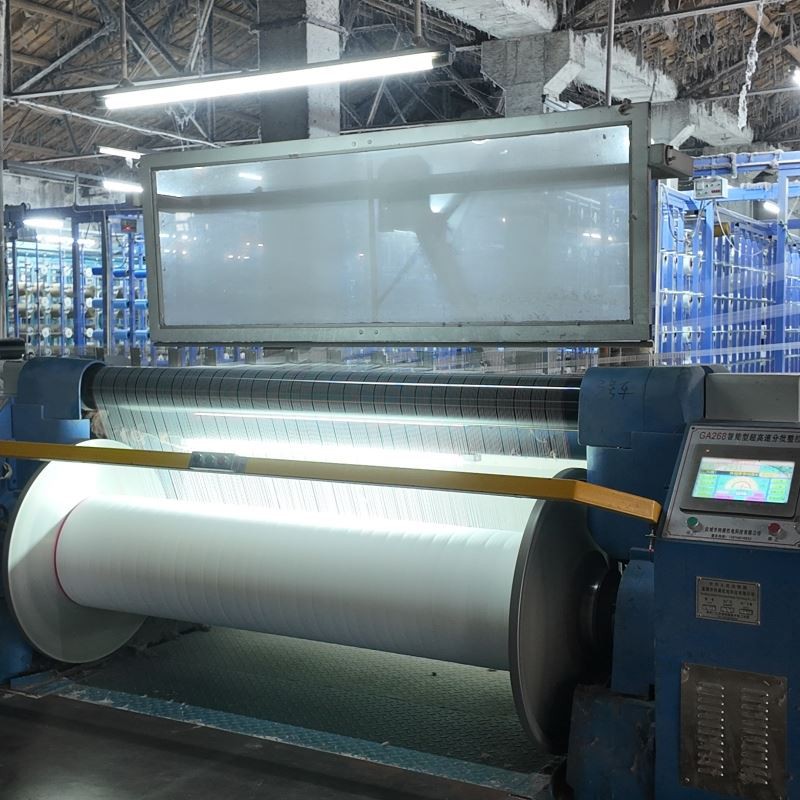

Thirdly, the machine is equipped with a user - friendly interface, which makes it easy for operators to set up and operate. The intuitive controls allow for quick adjustments to the warping process, reducing the learning curve for new operators.
Related Products
If you are interested in other types of warping machines, you can check out our Direct Warping Machine, Warping Machine in Textile, and Weaving Warping Machine. These machines also play important roles in the textile production process.
Conclusion
In conclusion, our High Speed Section Warper is a versatile machine that can process a wide range of yarns, including natural fibre yarns, synthetic fibre yarns, blended yarns, and specialty yarns. Its high - speed operation, advanced tension control system, and user - friendly interface make it an ideal choice for textile manufacturers. If you are in the market for a high - quality High Speed Section Warper or have any questions about yarn processing, please feel free to contact us for more information and to discuss your specific needs. We are committed to providing the best solutions for your textile production requirements.
References
- Textile Machinery Handbook
- Journal of Textile Science and Technology