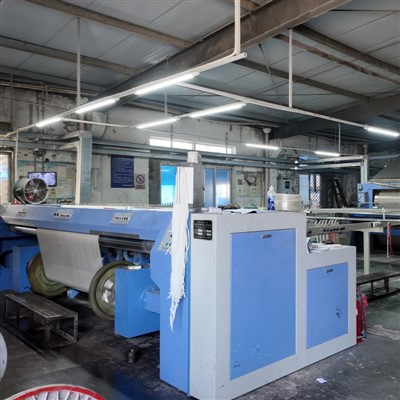
As a supplier of Direct Warping Machines, I've witnessed firsthand the pivotal role these machines play in the textile industry. They are essential for preparing yarns for weaving, ensuring a smooth and efficient production process. However, like any complex machinery, Direct Warping Machines are prone to certain common problems. In this blog, I'll delve into these issues and provide practical solutions to help you keep your operations running smoothly.
Common Problems with Direct Warping Machines
1. Yarn Breakage
Yarn breakage is one of the most frequent issues encountered with Direct Warping Machines. It can occur due to various reasons, including:


- High Tension: Excessive tension on the yarn can cause it to break. This may be due to incorrect settings on the tension control mechanism or a blockage in the yarn path.
- Yarn Quality: Poor - quality yarns are more likely to break. Yarns with weak spots, knots, or uneven thickness can lead to frequent breakages during the warping process.
- Mechanical Wear: Worn - out guides, rollers, or other components can cause friction on the yarn, leading to breakage.
2. Uneven Yarn Tension
Uneven yarn tension can result in a warped beam with inconsistent density. This problem can be attributed to:
- Tension Control Malfunction: If the tension control system fails to maintain a uniform tension across all yarns, some yarns may be tighter than others.
- Yarn Path Irregularities: Obstructions or misalignments in the yarn path can cause variations in tension. For example, if a yarn gets caught on a guide or a roller, its tension will be different from the other yarns.
- Differences in Yarn Properties: Yarns with different physical properties, such as thickness or elasticity, may require different tension settings. If these differences are not accounted for, uneven tension can occur.
3. Beam Winding Issues
Problems with beam winding can affect the quality of the warped beam and subsequent weaving processes. Some common beam winding issues include:
- Soft or Hard Winding: If the beam is wound too loosely (soft winding), the yarns may shift during storage or transportation. On the other hand, if it is wound too tightly (hard winding), the yarns may be damaged, and the beam may be difficult to unwind.
- Winding Density Variation: Inconsistent winding density across the beam can lead to problems during weaving. This can be caused by uneven yarn tension, improper beam rotation speed, or a malfunctioning winding mechanism.
- Beam Surface Irregularities: A rough or uneven beam surface can cause the yarns to catch or slip during winding, resulting in a poor - quality beam.
4. Machine Vibration
Excessive machine vibration can not only affect the quality of the warping process but also cause damage to the machine itself. Vibration can be caused by:
- Imbalanced Components: If the rotating parts of the machine, such as the beam or the rollers, are not properly balanced, it can lead to vibration.
- Loose Fasteners: Loose bolts, nuts, or other fasteners can cause the machine to vibrate. Over time, this can lead to further damage to the machine's components.
- Poor Machine Installation: Incorrect installation of the machine, such as an uneven floor or improper alignment, can also result in vibration.
Solutions to the Common Problems
1. Addressing Yarn Breakage
- Adjust Tension Settings: Regularly check and adjust the tension control settings to ensure that the yarn tension is within the recommended range. Use a tension meter to measure the tension accurately.
- Improve Yarn Quality: Source high - quality yarns from reliable suppliers. Conduct quality checks on the yarns before using them in the warping process.
- Maintain Machine Components: Replace worn - out guides, rollers, and other components regularly. Keep the yarn path clean and free of any obstructions.
2. Resolving Uneven Yarn Tension
- Calibrate the Tension Control System: Periodically calibrate the tension control system to ensure that it is functioning properly. This may involve adjusting the sensors or the control parameters.
- Inspect the Yarn Path: Check the yarn path for any irregularities, such as misaligned guides or rollers. Make sure that the yarns are passing through the guides smoothly.
- Account for Yarn Differences: When using yarns with different properties, adjust the tension settings accordingly. You may need to conduct some trials to find the optimal tension for each type of yarn.
3. Solving Beam Winding Issues
- Adjust Winding Parameters: Set the appropriate winding speed and tension to achieve the desired winding density. Monitor the winding process closely to ensure that the beam is being wound evenly.
- Check the Beam Surface: Before winding, inspect the beam surface for any irregularities. If necessary, smooth the surface or replace the beam.
- Use Winding Aids: Some machines are equipped with winding aids, such as traverse mechanisms, which can help to ensure a more uniform winding. Make sure that these aids are functioning properly.
4. Reducing Machine Vibration
- Balance Rotating Components: Have the rotating parts of the machine, such as the beam and the rollers, balanced by a professional. This can significantly reduce vibration.
- Tighten Fasteners: Regularly check and tighten all the bolts, nuts, and other fasteners on the machine. This will prevent them from coming loose and causing vibration.
- Ensure Proper Installation: Make sure that the machine is installed on a level surface and is properly aligned. If necessary, use shims to level the machine.
Our Product Offerings
As a leading supplier of Direct Warping Machines, we offer a wide range of high - quality machines to meet the diverse needs of the textile industry. Our products include the Warping Machine for Industrial Fabric, which is designed for heavy - duty industrial applications. It offers high precision and efficiency, ensuring a consistent warping process.
We also have the High Speed Section Warper, which is ideal for high - volume production. This machine can warp multiple sections of yarn simultaneously, significantly increasing productivity.
For those who need to produce small samples, our Sample Warping Machine is the perfect choice. It allows for quick and easy warping of small quantities of yarn, enabling you to test new designs and materials.
Contact Us for Procurement
If you are experiencing problems with your current Direct Warping Machine or are looking to upgrade your equipment, we are here to help. Our team of experts can provide you with professional advice and support to ensure that you choose the right machine for your needs. We also offer comprehensive after - sales service, including maintenance and repair.
Contact us today to start a procurement discussion. Let us help you take your textile production to the next level.
References
- Textile Machinery Handbook, 3rd Edition
- Journal of Textile Technology, Vol. 25, No. 3
- Proceedings of the International Textile Machinery Conference, 2022