What is the function of the tension compensator in a Beam Warping Machine?
As a supplier of Beam Warping Machines, I've witnessed firsthand the crucial role that various components play in the overall performance of these machines. One such component that often goes unnoticed but is incredibly important is the tension compensator. In this blog post, I'll delve into the functions of the tension compensator in a Beam Warping Machine and explain why it's a vital part of the warping process.
Understanding the Beam Warping Process
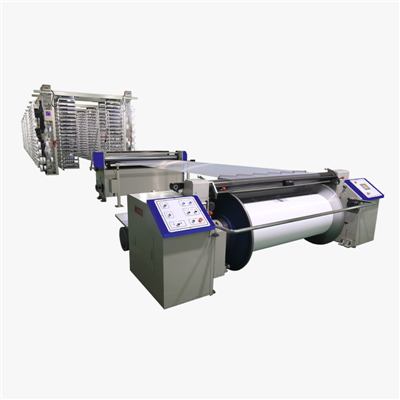
Before we dive into the role of the tension compensator, let's briefly understand the beam warping process. Beam warping is a preparatory step in textile manufacturing where multiple yarns are wound parallel to each other onto a beam. This beam is then used in subsequent weaving or knitting processes. The goal of beam warping is to create a uniform and consistent warp beam with the correct tension and density of yarns.
The Importance of Tension in Beam Warping
Tension is a critical factor in beam warping. If the tension is too high, the yarns may break, leading to production delays and increased waste. On the other hand, if the tension is too low, the yarns may become slack, resulting in uneven winding and poor quality warp beams. Maintaining consistent tension throughout the warping process is essential for producing high-quality warp beams.
Functions of the Tension Compensator
The tension compensator in a Beam Warping Machine serves several important functions:
-
Maintaining Consistent Tension
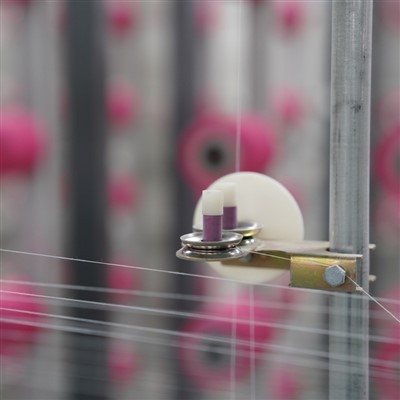
The primary function of the tension compensator is to maintain a consistent tension on the yarns during the warping process. As the yarns are wound onto the beam, the tension can vary due to factors such as changes in yarn diameter, friction, and the speed of the machine. The tension compensator continuously monitors the tension of the yarns and adjusts it as needed to ensure that it remains within the desired range. This helps to prevent yarn breakage and ensures that the warp beam is wound evenly. -
Compensating for Yarn Variations
Yarns can vary in diameter, strength, and other properties. These variations can cause differences in tension between individual yarns. The tension compensator is designed to compensate for these variations by adjusting the tension on each yarn independently. This ensures that all the yarns on the warp beam have the same tension, resulting in a more uniform and consistent warp. -
Preventing Over-Tensioning
Over-tensioning of the yarns can lead to breakage and damage to the yarns and the machine. The tension compensator helps to prevent over-tensioning by limiting the maximum tension that can be applied to the yarns. If the tension exceeds the set limit, the compensator will automatically reduce the tension to prevent damage. -
Improving Yarn Quality
By maintaining consistent tension, the tension compensator helps to improve the quality of the yarns. Consistent tension reduces the stress on the yarns, which can prevent stretching, breakage, and other forms of damage. This results in a higher quality warp beam with fewer defects. -
Enhancing Machine Efficiency
A tension compensator can also enhance the efficiency of the Beam Warping Machine. By maintaining consistent tension, the machine can operate at a higher speed without the risk of yarn breakage. This can increase the production rate and reduce the overall production time.
Types of Tension Compensators
There are several types of tension compensators used in Beam Warping Machines, including:
-
Mechanical Tension Compensators
Mechanical tension compensators use springs, weights, or other mechanical devices to adjust the tension on the yarns. These compensators are relatively simple and inexpensive, but they may not be as accurate as other types of compensators. -
Pneumatic Tension Compensators
Pneumatic tension compensators use compressed air to adjust the tension on the yarns. These compensators are more accurate than mechanical compensators and can provide a more consistent tension. However, they require a source of compressed air and may be more expensive to operate. -
Electronic Tension Compensators
Electronic tension compensators use sensors and electronic controls to adjust the tension on the yarns. These compensators are the most accurate and can provide a very precise tension control. They are also more flexible and can be easily programmed to adjust the tension based on different yarn types and warping conditions.
Conclusion
In conclusion, the tension compensator is a crucial component of a Beam Warping Machine. It plays a vital role in maintaining consistent tension, compensating for yarn variations, preventing over-tensioning, improving yarn quality, and enhancing machine efficiency. As a supplier of Beam Warping Machines, we understand the importance of using high-quality tension compensators to ensure the performance and reliability of our machines.
If you're in the market for a Sizing Warping Machine, Direct Warping Machine, or Yarn Warping Machine, we invite you to contact us to discuss your specific requirements. Our team of experts can help you choose the right machine and tension compensator for your needs. We look forward to working with you to improve your textile manufacturing process.

References
- Textile Machinery Handbook, various editions
- Journal of Textile Science and Technology, multiple issues on warping technology