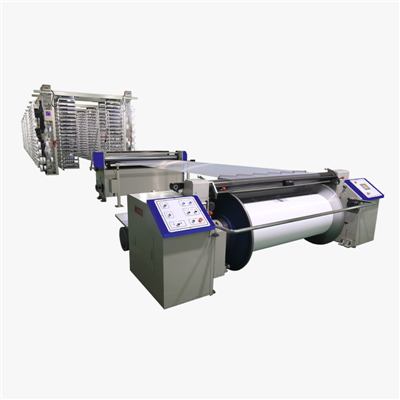
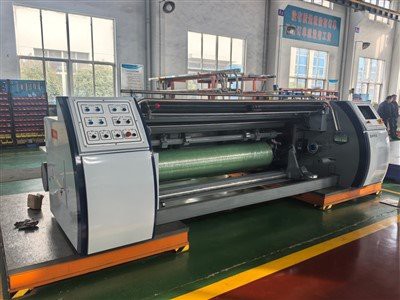
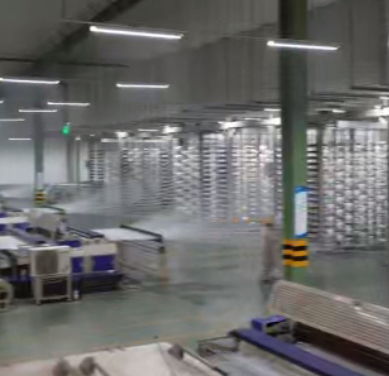
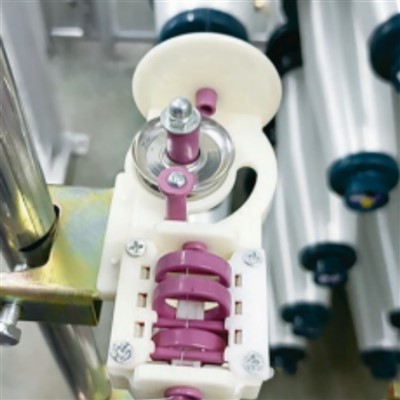
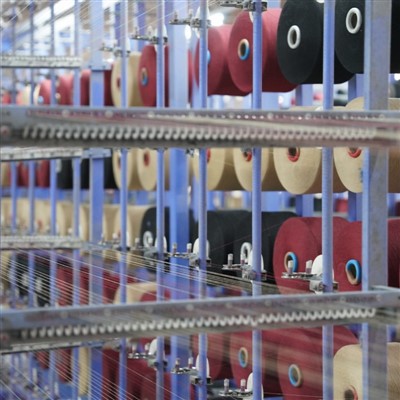
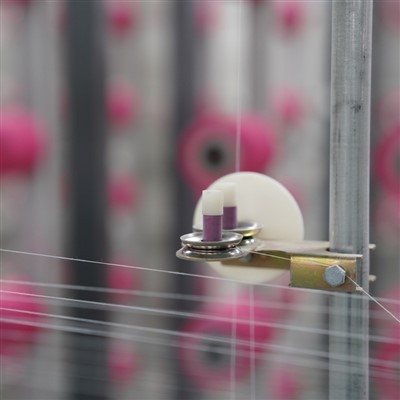
Research on improving the precision of key components of textile machinery continues. For example, some studies have designed automated detection systems for the geometry of textile machinery rollers to address the problems of low efficiency and large errors in traditional detection methods. High-precision automated detection is achieved through visual inspection and laser displacement sensor measurement.
Academia and industry continue to focus on the research and application of new spinning technologies. For example, compact spinning technology can improve yarn strength and reduce yarn breakage, while air-jet spinning technology can shorten the process flow and reduce labor, resulting in products with wear resistance and low hairiness. Shuttleless looms (such as rapier, water-jet, air-jet, and rapier looms) have achieved highly automated operation through mechatronics and advanced electronic information technology.
Improving the energy efficiency and automation level of textile equipment is an important research direction. For example, the energy efficiency optimization of spinning machines, as major power-consuming equipment, has received attention. Rotor spinning machines have achieved full automation, with functions such as automatic splicing and doffing. Modern cotton textile technology is developing towards intelligence and automation, widely utilizing sensing technology and variable frequency speed control.