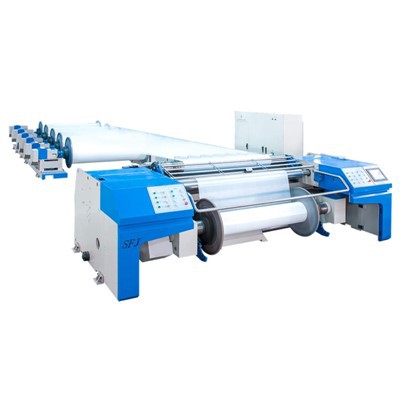
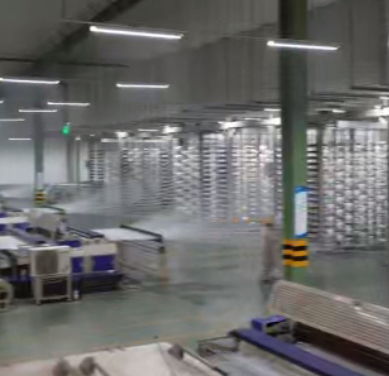
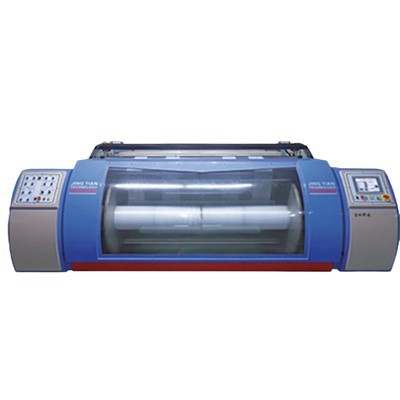
Troubleshooting a textile beaming machine is a crucial skill for anyone involved in the textile industry. As a supplier of Textile Beaming Machine, I understand the importance of keeping these machines in optimal working condition. In this blog, I will share some common issues that you may encounter with a textile beaming machine and provide practical solutions to troubleshoot them.
Understanding the Basics of a Textile Beaming Machine
Before we delve into troubleshooting, it's essential to have a basic understanding of how a textile beaming machine works. A textile beaming machine is used to wind yarns or threads onto a beam in a parallel and uniform manner. This process is crucial for preparing the yarn for further processing in weaving or knitting.
The main components of a textile beaming machine include the creel, which holds the yarn packages, the tensioning system, the warping drum, and the beam. The creel allows the yarns to be fed into the machine, while the tensioning system ensures that the yarns are wound onto the beam with the correct tension. The warping drum rotates to wind the yarns onto the beam, and the beam is the final storage unit for the wound yarns.
Common Issues and Troubleshooting Solutions
1. Uneven Yarn Tension
Symptoms: Uneven yarn tension can lead to irregular winding on the beam, resulting in a non - uniform fabric during the weaving process. You may notice that some yarns are tighter or looser than others.
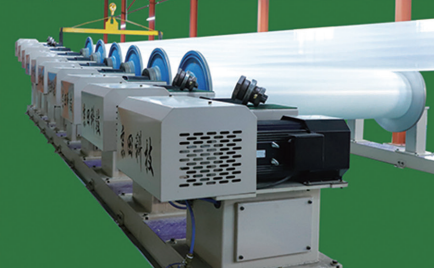

Causes:
- Worn or damaged tensioning devices.
- Incorrect adjustment of the tension settings.
- Yarn packages with inconsistent characteristics.
Solutions:
- Inspect the tensioning devices regularly and replace any worn or damaged parts. For example, if the tension discs are worn, they should be replaced immediately.
- Re - adjust the tension settings according to the specifications of the yarn being used. Refer to the machine's manual for the correct tension values.
- Check the yarn packages for any irregularities. If possible, use yarn from the same batch to ensure consistency.
2. Beam Winding Irregularities
Symptoms: The yarn may not wind evenly on the beam, resulting in a lumpy or uneven surface. This can cause problems during the weaving process, such as breakages or uneven fabric quality.
Causes:
- Misaligned warping drum or beam.
- Faulty drive system for the beam or warping drum.
- Improper guiding of the yarns.
Solutions:
- Check the alignment of the warping drum and the beam. Use alignment tools to ensure that they are parallel and properly positioned.
- Inspect the drive system, including the motors, belts, and gears. Replace any damaged components and ensure that the drive system is functioning smoothly.
- Adjust the yarn guides to ensure that the yarns are fed onto the beam in a straight and parallel manner.
3. Yarn Breakages
Symptoms: Frequent yarn breakages can slow down the production process and increase waste. You may notice that the machine stops frequently due to broken yarns.
Causes:
- High tension on the yarns.
- Sharp edges or rough surfaces in the machine that can cut the yarns.
- Low - quality yarns.
Solutions:
- Reduce the tension on the yarns if it is too high. Adjust the tension settings gradually until the breakages stop.
- Inspect the machine for any sharp edges or rough surfaces. Smooth out any rough areas or replace parts that are causing the yarn to break.
- Use high - quality yarns that are less likely to break. Consider the type of yarn and its strength when selecting the materials.
4. Machine Noise and Vibration
Symptoms: Excessive noise and vibration can indicate a problem with the machine's mechanical components. It can also be a sign of misalignment or loose parts.
Causes:
- Loose bolts or nuts.
- Worn bearings.
- Misaligned components.
Solutions:
- Tighten all the bolts and nuts on the machine. Check them regularly to ensure that they remain tight.
- Replace any worn bearings. Bearings are critical components that can cause significant problems if they are not functioning properly.
- Realign the components according to the machine's specifications. Use alignment tools to ensure accurate alignment.
Preventive Maintenance
In addition to troubleshooting, preventive maintenance is essential to keep your textile beaming machine in good working condition. Here are some preventive maintenance tips:
- Regular Cleaning: Clean the machine regularly to remove dust, lint, and other debris. This can prevent blockages and reduce the risk of mechanical problems.
- Lubrication: Lubricate all the moving parts of the machine according to the manufacturer's recommendations. This can reduce friction and wear, extending the life of the machine.
- Inspection: Conduct regular inspections of the machine to identify any potential problems early. Check the tensioning devices, drive system, and other components for signs of wear or damage.
Special Considerations for Different Types of Beaming Machines
We also offer High - Speed Beaming Machine and Beaming Machine for Industrial Fabric. These machines may have specific troubleshooting requirements.
High - Speed Beaming Machine
- Higher Tension and Speed: High - speed beaming machines operate at higher speeds and tensions. This can increase the risk of yarn breakages and other issues. Make sure to adjust the tension and speed settings carefully to avoid problems.
- Cooling System: High - speed machines generate more heat. Ensure that the cooling system is working properly to prevent overheating.
Beaming Machine for Industrial Fabric
- Heavy - Duty Components: These machines are designed for industrial fabrics, which are often thicker and stronger. Check the components for wear and tear more frequently, as they may be subject to more stress.
- Specialized Yarn Handling: Industrial fabrics may require specialized yarn handling techniques. Make sure to follow the manufacturer's guidelines for handling different types of yarns.
Conclusion
Troubleshooting a textile beaming machine requires a combination of knowledge, experience, and attention to detail. By understanding the common issues and their solutions, you can keep your machine running smoothly and efficiently. Remember to perform regular preventive maintenance to minimize the risk of problems.
If you are experiencing persistent issues with your textile beaming machine or if you are interested in purchasing a new Textile Beaming Machine, High - Speed Beaming Machine, or Beaming Machine for Industrial Fabric, please feel free to contact us for more information and to discuss your specific needs.
References
- Textile Machinery Handbook, various editions.
- Manufacturer's manuals for textile beaming machines.