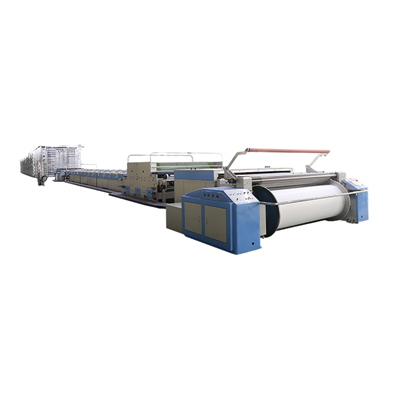
In the textile industry, beaming machines play a crucial role in the production process. They are used to prepare the warp yarns, which are the lengthwise threads in a woven fabric. As a supplier of textile beaming machines, I have in - depth knowledge of the different types available in the market. This blog will explore various types of textile beaming machines, their features, and applications.
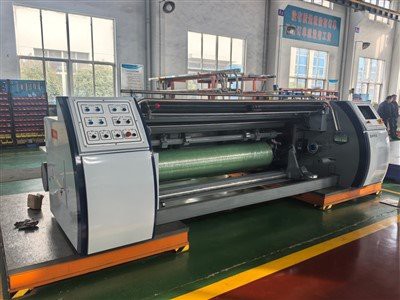
1. Filament Warping Machine
The Filament Warping Machine is designed specifically for handling filament yarns. Filament yarns are continuous strands of fibers, such as silk, nylon, or polyester. These machines are known for their high precision and efficiency.
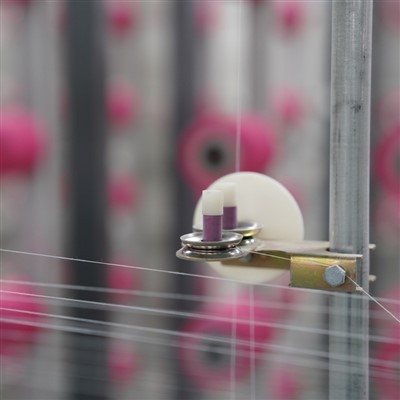
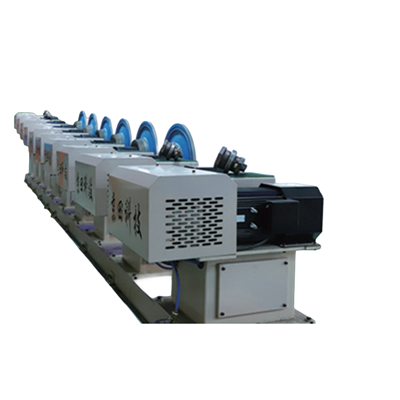
One of the key features of a filament warping machine is its ability to control the tension of the filament yarns accurately. Maintaining consistent tension is essential to ensure the quality of the warp beam. The machine uses advanced sensors and control systems to monitor and adjust the tension in real - time.
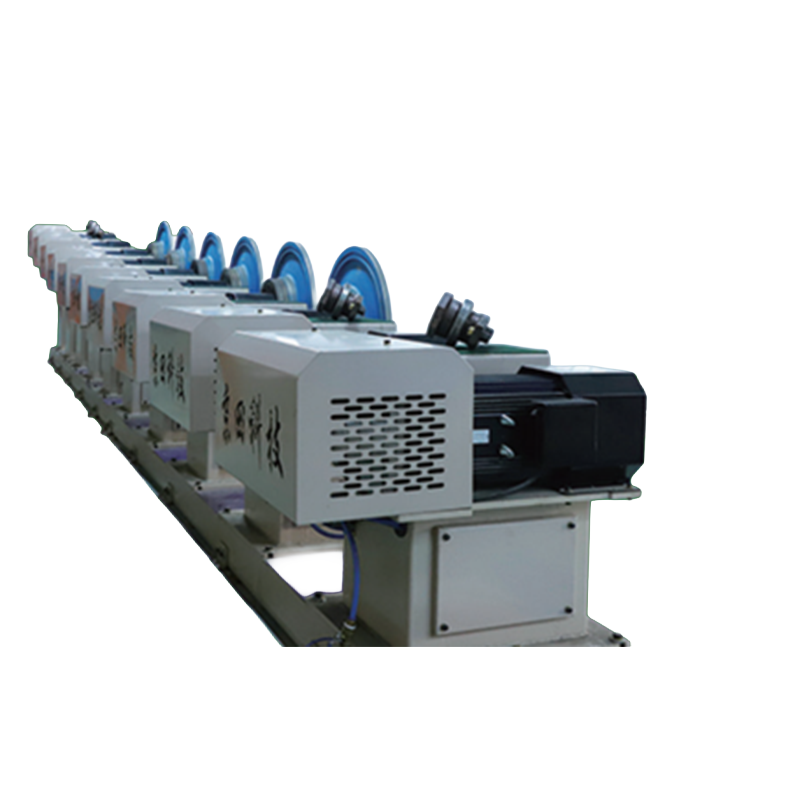
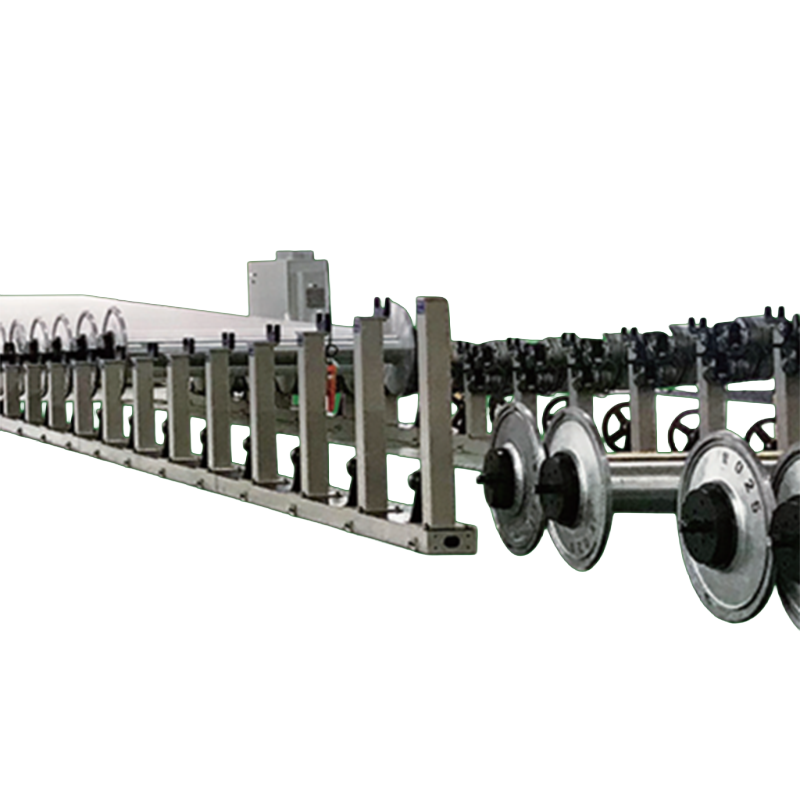
Filament warping machines also offer high - speed operation. They can wind large quantities of filament yarns onto the beam in a relatively short period. This makes them suitable for large - scale textile production.
In terms of applications, filament warping machines are commonly used in the production of high - end fabrics, such as silk and synthetic fiber fabrics. These fabrics require a high level of precision in the warp preparation process to achieve the desired appearance and performance.
2. Polyester Beaming Machine
The Polyester Beaming Machine is tailored for polyester yarns. Polyester is one of the most widely used synthetic fibers in the textile industry due to its durability, wrinkle - resistance, and easy - care properties.
Polyester beaming machines are designed to handle the unique characteristics of polyester yarns. For example, polyester yarns have a relatively high melting point, and the machine needs to be able to operate at appropriate temperatures to avoid damage to the yarns.
These machines often come with features such as adjustable winding speed and tension control. The adjustable winding speed allows for flexibility in production, depending on the specific requirements of the polyester fabric being produced. Tension control is also crucial to ensure that the polyester yarns are wound evenly onto the beam.
Polyester beaming machines are used in a wide range of applications, from the production of clothing fabrics to industrial textiles. They are essential for creating high - quality polyester fabrics with consistent properties.
3. Glass Fiber Warping Machine
The Glass Fiber Warping Machine is specialized for handling glass fiber yarns. Glass fibers are known for their high strength, heat resistance, and electrical insulation properties.
Glass fiber warping machines need to be designed to handle the brittle nature of glass fibers. They use special guides and tensioning systems to prevent the glass fibers from breaking during the warping process.
These machines also have to deal with the static electricity generated by glass fibers. Anti - static devices are often incorporated into the machine to minimize the effects of static electricity on the warping process.
Glass fiber warping machines are widely used in the production of composites, such as fiberglass reinforced plastics. These composites are used in various industries, including aerospace, automotive, and construction.
4. Sectional Warping Machine
Sectional warping machines are used to prepare warp beams by winding the yarns in sections. This type of machine is suitable for producing fabrics with complex patterns or a large number of different colors.
The main advantage of a sectional warping machine is its flexibility. It allows for the easy creation of warp beams with different yarn arrangements. The machine winds the yarns onto a drum in sections, and then these sections are transferred onto the final beam.
Sectional warping machines are commonly used in the production of jacquard fabrics, where intricate patterns are required. They are also used in the production of small - batch or custom - made fabrics.
5. Direct Warping Machine
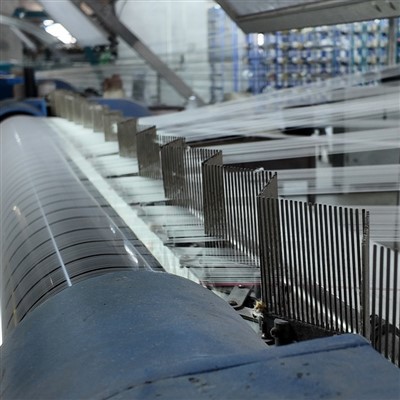
Direct warping machines wind the yarns directly onto the beam from the creels. This type of machine is simple in design and is suitable for producing warp beams with a large number of parallel yarns.
Direct warping machines are known for their high - speed operation. They can quickly wind a large quantity of yarns onto the beam, making them ideal for mass - production of basic fabrics.
These machines are often used in the production of plain - weave fabrics, such as cotton sheets and denim. They are cost - effective and can produce high - quality warp beams in a short time.
6. Ball Warping Machine
Ball warping machines are used to wind the yarns into balls. These balls of yarn are then used for further processing, such as dyeing or weaving.
The main advantage of a ball warping machine is its ability to handle different types of yarns, including thick and thin yarns. It can also wind the yarns in a way that minimizes tangling.
Ball warping machines are commonly used in the dyeing industry, where the yarns need to be in a ball form for efficient dyeing. They are also used in some small - scale weaving operations.
7. Comparison and Selection
When choosing a textile beaming machine, several factors need to be considered. The type of yarn being used is the most important factor. Different yarns have different properties, and the machine needs to be able to handle these properties effectively.
The production volume is also a crucial factor. For large - scale production, high - speed machines such as direct warping machines may be more suitable. For small - batch or custom - made production, sectional warping machines or ball warping machines may be a better choice.
Cost is another important consideration. High - end machines with advanced features may be more expensive, but they can also offer better performance and quality. It is important to balance the cost with the specific requirements of the production.
Conclusion
As a supplier of textile beaming machines, I understand the importance of choosing the right machine for your specific needs. Whether you are producing high - end silk fabrics, durable polyester textiles, or high - strength glass fiber composites, there is a beaming machine that can meet your requirements.
If you are interested in purchasing a textile beaming machine, or if you have any questions about our products, please feel free to contact us. We are committed to providing high - quality machines and excellent customer service. Let's work together to improve your textile production process.
References
- Textile Machinery Handbook: A comprehensive guide to various textile machines, including beaming machines.
- Journal of Textile Science and Technology: Articles on the latest developments in textile beaming technology.