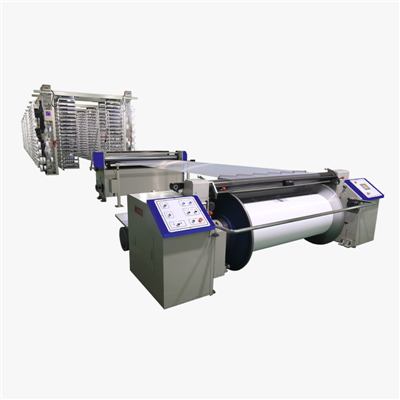
As a supplier of Filament Sizing Machines, I understand the crucial role that temperature adjustment plays in the performance and efficiency of these machines. In this blog post, I will share some insights on how to adjust the temperature in a Filament Sizing Machine to ensure optimal results.
Understanding the Importance of Temperature in Filament Sizing
Temperature is a critical factor in the filament sizing process. It affects the viscosity of the sizing agent, the adhesion of the sizing to the filaments, and the overall quality of the sized filaments. If the temperature is too low, the sizing agent may not flow properly, resulting in uneven coating and poor adhesion. On the other hand, if the temperature is too high, the sizing agent may dry too quickly, leading to cracking and other defects.
Factors Affecting Temperature in a Filament Sizing Machine
Several factors can affect the temperature in a Filament Sizing Machine. These include:
- Sizing Agent Properties: Different sizing agents have different optimal temperature ranges. It is important to choose a sizing agent that is suitable for the specific application and to follow the manufacturer's recommendations regarding temperature.
- Machine Design: The design of the Filament Sizing Machine can also affect the temperature. For example, the type of heating system, the insulation of the machine, and the airflow within the machine can all impact the temperature distribution.
- Environmental Conditions: The ambient temperature and humidity can also affect the temperature in the Filament Sizing Machine. It is important to maintain a stable environment to ensure consistent temperature control.
Methods for Adjusting Temperature in a Filament Sizing Machine
There are several methods for adjusting the temperature in a Filament Sizing Machine. These include:
- Heating Systems: Most Filament Sizing Machines are equipped with heating systems to maintain the desired temperature. These systems can be electric, gas, or steam-based. The heating system should be carefully calibrated to ensure accurate temperature control.
- Thermostats: Thermostats are used to monitor and control the temperature in the Filament Sizing Machine. They can be set to maintain a specific temperature range and can automatically adjust the heating system as needed.
- Insulation: Proper insulation of the Filament Sizing Machine can help to reduce heat loss and maintain a stable temperature. Insulation materials such as fiberglass or ceramic wool can be used to line the machine.
- Airflow Control: Controlling the airflow within the Filament Sizing Machine can also help to regulate the temperature. By adjusting the ventilation system, it is possible to remove excess heat and maintain a consistent temperature.
Step-by-Step Guide to Adjusting Temperature in a Filament Sizing Machine
Here is a step-by-step guide to adjusting the temperature in a Filament Sizing Machine:
- Understand the Requirements: Before adjusting the temperature, it is important to understand the specific requirements of the sizing agent and the filaments. Refer to the manufacturer's recommendations for the optimal temperature range.
- Check the Heating System: Ensure that the heating system is functioning properly. Check for any signs of damage or malfunction and make any necessary repairs.
- Set the Thermostat: Set the thermostat to the desired temperature range. It is important to allow the machine to reach the set temperature before starting the sizing process.
- Monitor the Temperature: Use a thermometer to monitor the temperature inside the Filament Sizing Machine. Make any necessary adjustments to the thermostat to maintain the desired temperature.
- Adjust the Airflow: If necessary, adjust the airflow within the machine to help regulate the temperature. This can be done by adjusting the ventilation system or by using fans.
- Regular Maintenance: Regularly maintain the Filament Sizing Machine to ensure that the heating system and other components are functioning properly. This includes cleaning the machine, checking for leaks, and replacing any worn or damaged parts.
Common Temperature-Related Issues and Solutions
Here are some common temperature-related issues that may occur in a Filament Sizing Machine and their solutions:


- Uneven Temperature Distribution: If the temperature is not evenly distributed within the machine, it can result in uneven coating and poor adhesion. To solve this problem, check the insulation of the machine and ensure that the heating system is functioning properly. You may also need to adjust the airflow within the machine.
- Overheating: If the temperature in the machine is too high, it can cause the sizing agent to dry too quickly and lead to cracking and other defects. To solve this problem, reduce the temperature setting on the thermostat and check the ventilation system to ensure that excess heat is being removed.
- Underheating: If the temperature in the machine is too low, the sizing agent may not flow properly, resulting in uneven coating and poor adhesion. To solve this problem, increase the temperature setting on the thermostat and check the heating system to ensure that it is functioning properly.
Conclusion
Adjusting the temperature in a Filament Sizing Machine is a critical step in ensuring the quality and efficiency of the sizing process. By understanding the factors that affect temperature, using the appropriate methods for adjustment, and addressing common temperature-related issues, you can achieve optimal results.
If you are interested in learning more about our Filament Sizing Machine, High - Speed Sizing Machine, or Glass Fiber Sizing Machine, please feel free to contact us for a detailed discussion and potential procurement. We are committed to providing high-quality equipment and excellent service to meet your needs.
References
- Manufacturer's manuals for Filament Sizing Machines
- Industry standards and best practices for filament sizing
- Research papers on temperature control in industrial processes