As a supplier of Direct Warping Machines, I've witnessed firsthand the crucial role that yarn tension sensors play in the textile manufacturing process. In this blog, I'll delve into the significance of these sensors in a Direct Warping Machine, exploring how they contribute to the overall efficiency, quality, and productivity of the warping process.

Understanding the Direct Warping Process
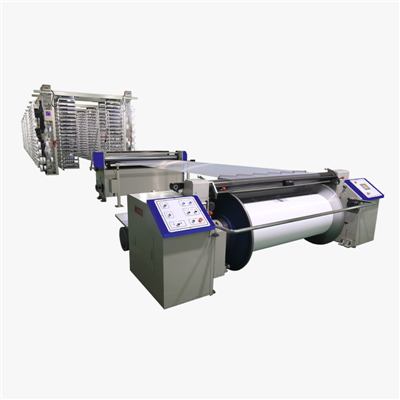
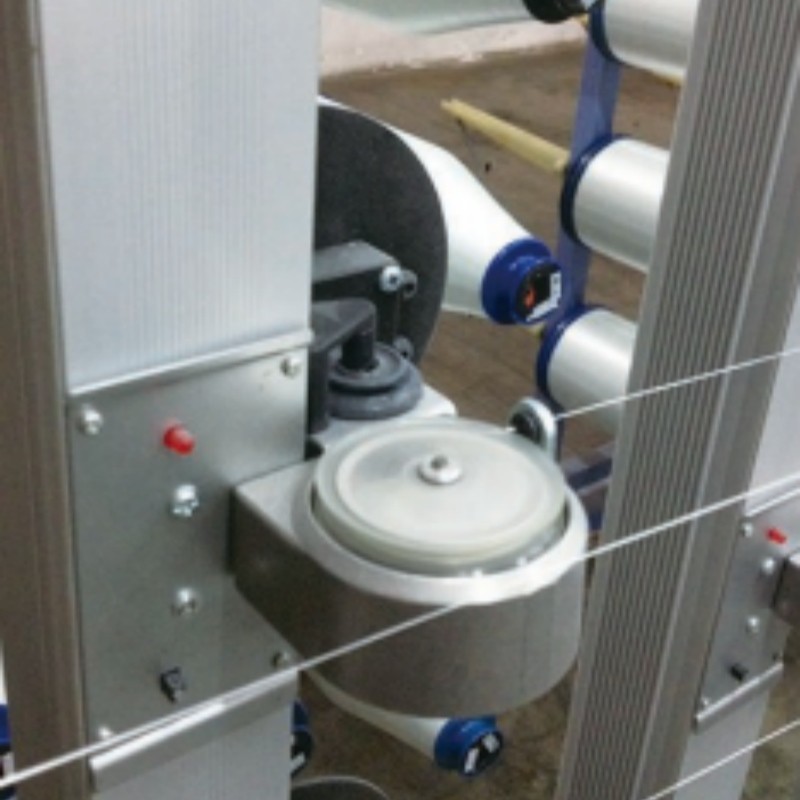
Before we discuss the role of yarn tension sensors, it's essential to understand the direct warping process. Direct warping is a method used to prepare a warp beam by winding a specified number of parallel yarns directly from individual packages onto a beam. This process is commonly used in the textile industry to create warp beams for weaving. The Direct Warping Machine is designed to handle a large number of yarns simultaneously, ensuring that they are wound onto the beam with consistent tension and alignment.
The Importance of Yarn Tension in Direct Warping
Yarn tension is a critical factor in the direct warping process. Proper tension ensures that the yarns are wound evenly onto the beam, preventing issues such as slack, breakage, and uneven winding. If the tension is too high, the yarns may break, leading to production delays and increased waste. On the other hand, if the tension is too low, the yarns may become slack, resulting in uneven winding and poor quality warp beams.
Role of Yarn Tension Sensors in a Direct Warping Machine
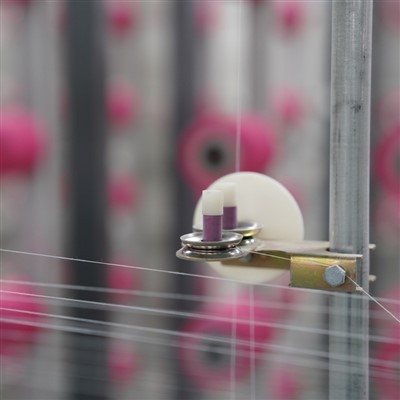
Yarn tension sensors play a vital role in maintaining consistent yarn tension throughout the direct warping process. These sensors are designed to measure the tension of each individual yarn and provide real-time feedback to the machine's control system. Based on this feedback, the control system can adjust the tension of each yarn to ensure that it remains within the desired range.
1. Ensuring Consistent Yarn Tension
One of the primary functions of yarn tension sensors is to ensure that the tension of each yarn remains consistent throughout the warping process. By continuously monitoring the tension of each yarn, the sensors can detect any variations and send signals to the control system to make the necessary adjustments. This helps to prevent issues such as slack, breakage, and uneven winding, resulting in high-quality warp beams.
2. Improving Productivity
Yarn tension sensors can also help to improve the productivity of the Direct Warping Machine. By maintaining consistent yarn tension, the sensors can reduce the number of yarn breaks and stoppages, allowing the machine to operate more efficiently. This can lead to increased production rates and reduced downtime, ultimately improving the overall productivity of the textile manufacturing process.
3. Enhancing Quality Control
In addition to ensuring consistent yarn tension, yarn tension sensors can also play a crucial role in quality control. By monitoring the tension of each yarn, the sensors can detect any abnormalities or defects in the yarn, such as weak spots or knots. This allows the operator to take corrective action before the defective yarn is wound onto the beam, ensuring that only high-quality yarns are used in the production process.
4. Reducing Waste
Yarn tension sensors can also help to reduce waste in the direct warping process. By detecting and correcting any issues with yarn tension early on, the sensors can prevent the production of defective warp beams, reducing the amount of wasted yarn and materials. This can lead to significant cost savings for textile manufacturers.
Types of Yarn Tension Sensors
There are several types of yarn tension sensors available on the market, each with its own unique features and advantages. Some of the most common types of yarn tension sensors include:
1. Mechanical Tension Sensors
Mechanical tension sensors are the most basic type of yarn tension sensors. These sensors use a mechanical mechanism to measure the tension of the yarn, such as a spring or a lever. Mechanical tension sensors are relatively simple and inexpensive, but they may not be as accurate as other types of sensors.
2. Electronic Tension Sensors
Electronic tension sensors use electronic components to measure the tension of the yarn. These sensors are more accurate and reliable than mechanical tension sensors, and they can provide real-time feedback to the machine's control system. Electronic tension sensors are also more expensive than mechanical tension sensors, but they offer better performance and durability.
3. Optical Tension Sensors
Optical tension sensors use light to measure the tension of the yarn. These sensors are non-contact, which means that they do not come into direct contact with the yarn, reducing the risk of damage to the yarn. Optical tension sensors are also very accurate and can provide real-time feedback to the machine's control system. However, they are more expensive than other types of sensors and may require more maintenance.
Choosing the Right Yarn Tension Sensor
When choosing a yarn tension sensor for a Direct Warping Machine, it's important to consider several factors, including the type of yarn being used, the speed of the machine, and the required level of accuracy. Here are some tips to help you choose the right yarn tension sensor for your needs:
1. Consider the Type of Yarn
Different types of yarns have different properties, such as thickness, strength, and elasticity. When choosing a yarn tension sensor, it's important to consider the type of yarn being used and choose a sensor that is suitable for that type of yarn. For example, if you are using a thick, heavy yarn, you may need a sensor that can handle higher tensions.
2. Consider the Speed of the Machine
The speed of the Direct Warping Machine can also affect the choice of yarn tension sensor. If the machine is operating at a high speed, you may need a sensor that can provide real-time feedback and adjust the tension quickly. On the other hand, if the machine is operating at a lower speed, you may be able to use a less expensive sensor.
3. Consider the Required Level of Accuracy
The required level of accuracy is another important factor to consider when choosing a yarn tension sensor. If you need a high level of accuracy, you may need to choose a more expensive sensor that can provide precise measurements. However, if you only need a basic level of accuracy, you may be able to use a less expensive sensor.
Conclusion
In conclusion, yarn tension sensors play a crucial role in the direct warping process. By ensuring consistent yarn tension, improving productivity, enhancing quality control, and reducing waste, these sensors can help textile manufacturers to produce high-quality warp beams more efficiently and cost-effectively. If you are in the market for a Direct Warping Machine, I encourage you to consider the importance of yarn tension sensors and choose a machine that is equipped with high-quality sensors.
If you're interested in learning more about our Direct Warping Machine or Weaving Warping Machine, or if you have any questions about the role of yarn tension sensors in the warping process, please don't hesitate to contact us. We'd be happy to discuss your specific needs and provide you with more information about our products and services. You can also visit our website at Warping Machine in Textile to learn more about our range of warping machines and related products.
References
- Smith, J. (2020). Textile Manufacturing Processes. New York: Wiley.
- Jones, A. (2019). Yarn Tension Control in Direct Warping. Textile Journal, 45(2), 123-135.
- Brown, C. (2018). Advances in Yarn Tension Sensor Technology. International Journal of Textile Science, 12(3), 234-245.