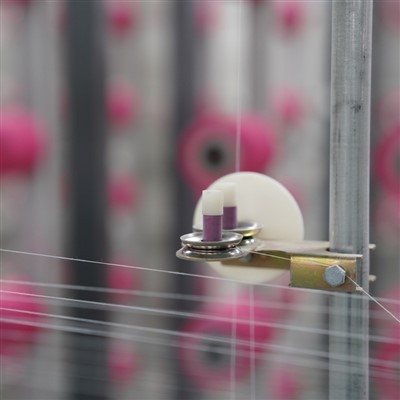
Definitions and Functions of Looms and Sizing Machines
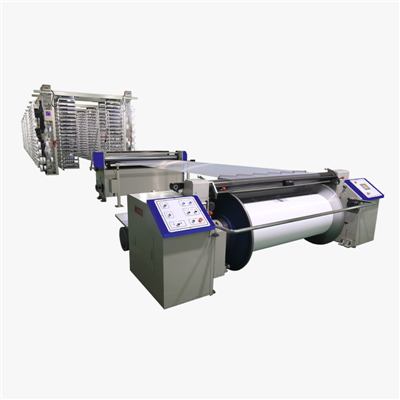
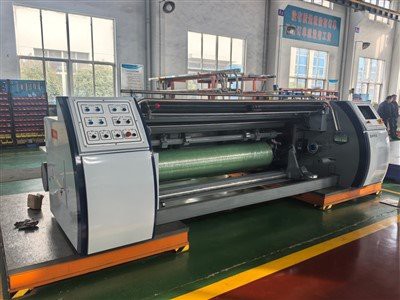
A loom is a mechanical device used to weave yarn or fine threads into fabric. A sizing machine, on the other hand, is a device that processes raw fibers into finished yarn. The main difference between looms and sizing machines lies in their functions and applications.
Working Principles of Looms and Sizing Machines
A loom works by weaving warp and weft threads together to form fabric. A sizing machine, however, processes raw fibers through washing, combing, and stretching to ultimately form yarn.
Applications of Looms and Sizing Machines
Looms are widely used in the textile industry to produce various fabrics, silks, blankets, etc. Sizing machines are widely used in the textile and textile processing industries to produce various yarns, ropes, ribbons, etc.
Development History of Looms and Sizing Machines
The history of looms can be traced back to ancient times, with the earliest looms being hand-operated. The sizing machine, invented in the 18th century, greatly promoted the development of the textile industry.
Development Trends of Looms and Sizing Machines
With the continuous development of technology, looms and sizing machines are constantly being improved and upgraded. Modern looms and sizing machines have achieved automated and intelligent production, greatly improving production efficiency and quality.