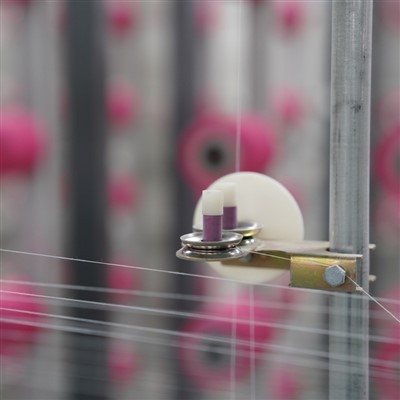
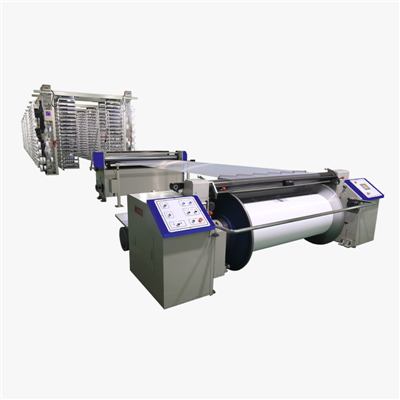
As a supplier of Textile Beaming Machines, I've had the privilege of seeing these amazing pieces of equipment in action. They're like the workhorses of the textile industry, constantly churning out high - quality warps at breakneck speeds. But let's face it, no machine is perfect. In this blog, I'll be talking about the limitations of high - speed Textile Beaming Machines.
1. High Initial Investment
One of the biggest limitations of high - speed Textile Beaming Machines is the high initial cost. These machines are complex pieces of technology, with advanced features and precision engineering. When you're looking to get a top - of - the - line high - speed Textile Beaming Machine, you're talking about a significant chunk of change.
The cost includes not just the machine itself but also the installation, training for your staff, and any additional software or accessories that might be required. For small and medium - sized textile businesses, this can be a real barrier to entry. It's like trying to buy a luxury sports car when you're on a budget. You might really want it, but you just can't afford it.
If you're interested in learning more about different types of beaming machines, you can check out our Glass Fiber Warping Machine and Filament Warping Machine pages.
2. Maintenance and Repair Costs
High - speed Textile Beaming Machines are high - maintenance. They operate at such high speeds that the wear and tear on the components is substantial. The moving parts, like the rollers, gears, and motors, need regular maintenance to keep them in top condition.
When something goes wrong, the repair costs can be astronomical. You might need to replace expensive parts, and if you don't have in - house technicians, you'll have to pay for external service providers. And let's not forget the downtime. When the machine is out of commission, your production comes to a halt, which means lost revenue.
3. Limited Flexibility
These machines are designed for high - speed production, which means they're often optimized for a specific type of yarn or fabric. If you want to switch to a different type of material, you might run into problems. For example, if you're used to working with cotton yarn and you want to switch to synthetic fibers, the machine might not be able to handle the different properties of the new material.
The tension control, speed settings, and other parameters that work well for one type of yarn might not work for another. This lack of flexibility can be a real headache for textile manufacturers who want to diversify their product range.
4. Skill Requirements
Operating a high - speed Textile Beaming Machine requires a certain level of skill and expertise. The operators need to understand the machine's functions, how to set the parameters correctly, and how to troubleshoot any issues that might arise.
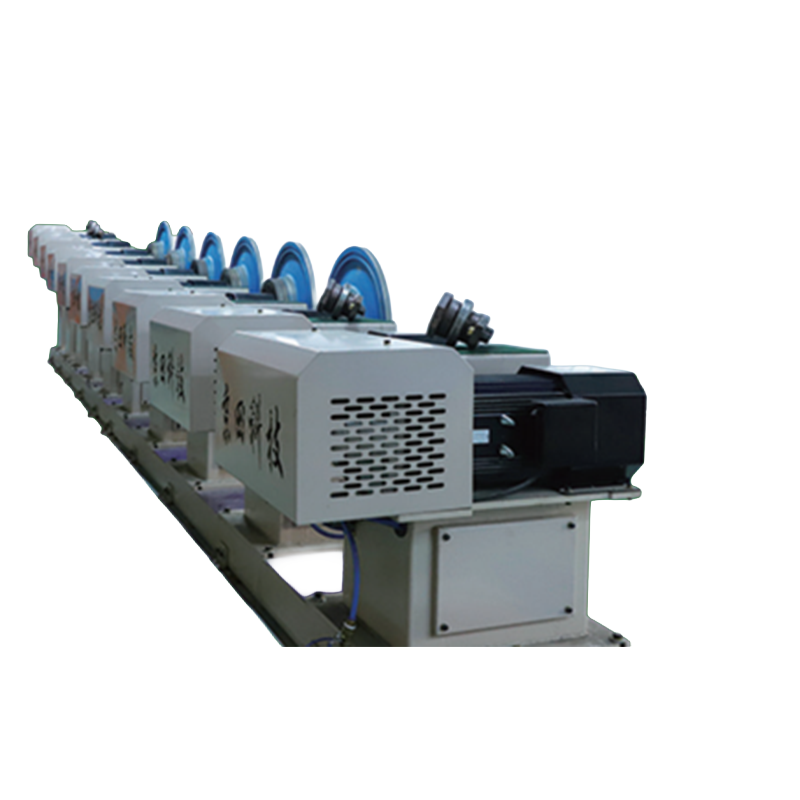

Training new operators can be time - consuming and expensive. And if you don't have well - trained staff, you're more likely to run into problems like uneven warping, broken yarns, and other quality issues. It's like trying to fly a plane without proper training. You might be able to get it off the ground, but you're not going to have a smooth ride.
5. Energy Consumption
High - speed Textile Beaming Machines are energy hogs. They require a lot of power to operate at high speeds, which can lead to high energy bills. In today's world, where energy costs are rising and there's a growing emphasis on sustainability, this can be a major drawback.
Textile manufacturers are constantly looking for ways to reduce their energy consumption, and the high energy requirements of these machines can make it difficult to meet their sustainability goals.
6. Noise and Vibration
These machines generate a lot of noise and vibration during operation. The high - speed rotation of the components creates a loud, continuous noise that can be a nuisance for the operators and other workers in the vicinity.
The vibration can also cause problems for the machine itself, leading to premature wear and tear on the components. And if the machine is not properly installed or maintained, the vibration can even cause structural damage to the building.
7. Quality Control Challenges
Maintaining consistent quality is a challenge with high - speed Textile Beaming Machines. At high speeds, it's easier for things to go wrong. For example, the yarn might break, or the tension might not be uniform across the warp.
Inspecting the warps for quality issues becomes more difficult at high speeds. You might need to slow down the machine to conduct proper inspections, which can reduce your overall productivity.
8. Compatibility with Existing Systems
If you already have an existing textile production setup, integrating a high - speed Textile Beaming Machine can be a challenge. The machine might not be compatible with your existing looms, dyeing equipment, or other machinery.
This can require significant modifications to your production line, which can be time - consuming and expensive. It's like trying to fit a square peg into a round hole. You might be able to make it work, but it's not going to be easy.
Despite these limitations, high - speed Textile Beaming Machines still offer a lot of benefits. They can significantly increase your production capacity and improve the quality of your warps. If you're considering investing in a high - speed Textile Beaming Machine, it's important to weigh the pros and cons carefully.
If you're interested in learning more about our Textile Beaming Machine or have any questions about how it can fit into your production process, feel free to reach out. We're here to help you make the best decision for your business.
References
- Textile Machinery Handbook: A comprehensive guide to textile machinery, including beaming machines.
- Industry reports on textile manufacturing technology trends.
- Research papers on the performance and limitations of high - speed textile machinery.