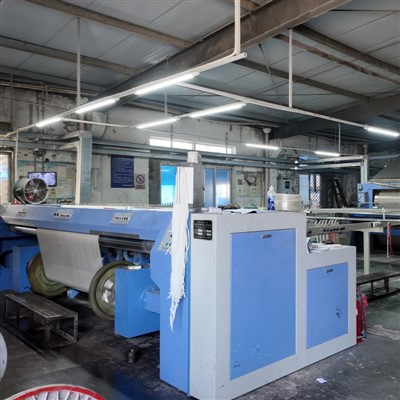
Hey there! As a supplier of Polyester Beaming Machines, I've seen firsthand how temperature and humidity can have a big impact on these machines. In this blog, I'm gonna break down what these impacts are and why they matter.
Understanding the Basics of a Polyester Beaming Machine
Before we dive into the effects of temperature and humidity, let's quickly go over what a Polyester Beaming Machine does. It's a key piece of equipment in the textile industry, used to wind polyester yarn onto a beam. This process is crucial for preparing the yarn for further textile manufacturing, like weaving or knitting. You can learn more about our Polyester Beaming Machine on our website.
The Impact of Temperature
1. Yarn Tension
Temperature can significantly affect the tension of the polyester yarn during the beaming process. When the temperature is too high, the polyester yarn tends to become more elastic. This means it can stretch more easily, leading to inconsistent tension across the beam. On the other hand, if the temperature is too low, the yarn becomes stiffer. This can cause the yarn to break more easily, especially when it's being wound at high speeds.
For example, in a hot summer day, if the workshop where the beaming machine is located isn't properly cooled, the yarn might stretch unevenly. This can result in a beam with different levels of tension in different areas, which can cause problems during the subsequent weaving or knitting process.
2. Machine Performance
High temperatures can also affect the performance of the beaming machine itself. The components of the machine, such as the motors and gears, can overheat. When this happens, the machine might slow down or even break down. Overheating can also cause the lubricants in the machine to break down more quickly, leading to increased friction and wear on the moving parts.
In contrast, low temperatures can make the machine's components more brittle. This can increase the risk of parts cracking or breaking, especially if the machine is subjected to sudden movements or vibrations.
The Impact of Humidity
1. Yarn Moisture Content
Humidity plays a crucial role in determining the moisture content of the polyester yarn. When the humidity is high, the yarn can absorb moisture from the air. This can make the yarn heavier and more difficult to handle. It can also cause the yarn to stick together, which can lead to tangles and knots during the beaming process.
On the other hand, when the humidity is low, the yarn can become dry and brittle. This can increase the risk of the yarn breaking, especially when it's being wound under tension.
2. Machine Corrosion
High humidity can also lead to corrosion of the machine's metal parts. Moisture in the air can react with the metal, causing rust to form. This can not only damage the appearance of the machine but also affect its performance. Rust can cause the moving parts to become stuck or operate less smoothly, which can lead to increased wear and tear.
Controlling Temperature and Humidity
To minimize the negative impacts of temperature and humidity on the Polyester Beaming Machine, it's important to control the environment in which the machine operates. This can be done through a variety of methods.
1. HVAC Systems
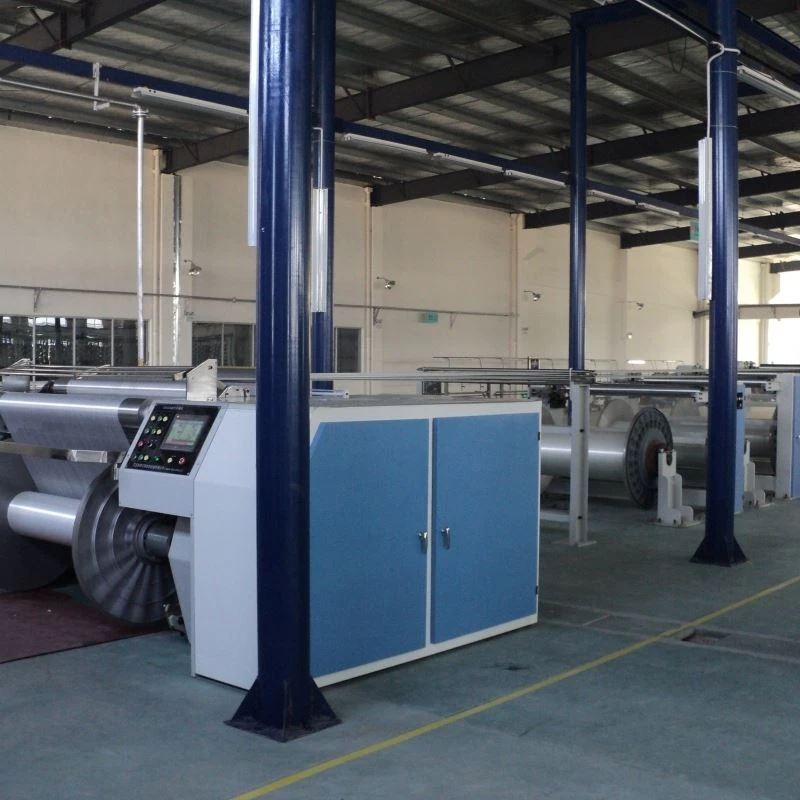
Installing a good HVAC (Heating, Ventilation, and Air Conditioning) system in the workshop can help maintain a stable temperature and humidity level. The system can be set to keep the temperature within a specific range, usually between 20 - 25 degrees Celsius, and the humidity between 40 - 60%.
2. Dehumidifiers and Humidifiers
Dehumidifiers can be used to reduce the humidity in the workshop when it's too high, while humidifiers can be used to increase the humidity when it's too low. These devices can help keep the moisture content of the yarn and the machine's components at an optimal level.

3. Insulation
Proper insulation of the workshop can also help regulate the temperature and humidity. Insulation can prevent heat from entering or leaving the workshop, which can help maintain a more stable environment.
The Importance of Monitoring
Regular monitoring of the temperature and humidity in the workshop is essential. This can be done using sensors that can provide real-time data on the environmental conditions. By monitoring these conditions, you can take proactive measures to adjust the temperature and humidity as needed, ensuring the optimal performance of the Polyester Beaming Machine.
Other Considerations
It's also important to note that different types of polyester yarn may have different sensitivities to temperature and humidity. Some yarns may be more resistant to changes in environmental conditions, while others may be more sensitive. Therefore, it's important to understand the specific requirements of the yarn you're using and adjust the operating conditions accordingly.
Conclusion
In conclusion, temperature and humidity can have a significant impact on the performance of a Polyester Beaming Machine. By understanding these impacts and taking steps to control the environment in which the machine operates, you can ensure the quality of the beaming process and the longevity of the machine.
If you're in the market for a high-quality Beaming Machine for Industrial Fabric or a Glass Fiber Warping Machine, we're here to help. Our machines are designed to perform well under a variety of environmental conditions, but proper temperature and humidity control is still crucial for optimal performance. If you have any questions or are interested in purchasing one of our machines, don't hesitate to reach out for a procurement discussion.
References
- Textile Machinery Handbook
- Research papers on textile manufacturing environmental conditions