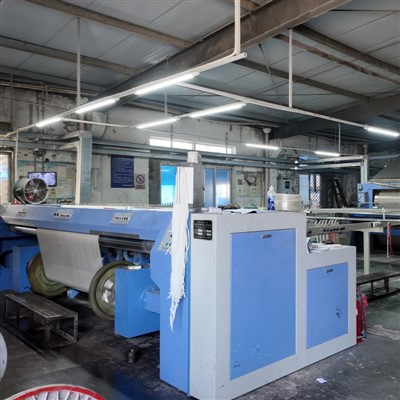
Operating a High - Speed Sizing Machine requires a comprehensive set of training to ensure efficient, safe, and high - quality production. As a supplier of High - Speed Sizing Machines, we understand the significance of proper training for operators. In this blog, we will explore the various types of training needed to operate these sophisticated machines.
Technical Knowledge Training
Machine Structure and Components
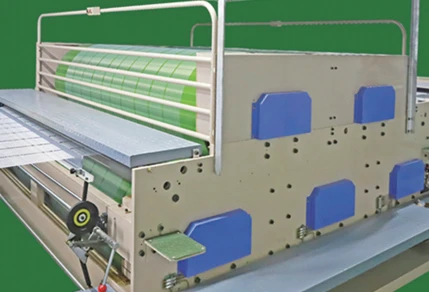
The first step in training operators is to familiarize them with the structure and components of the High - Speed Sizing Machine. This includes understanding the function of each part, such as the sizing box, drying cylinders, and tension control systems. Operators need to know how these components work together to achieve the sizing process. For example, the sizing box is where the yarn is immersed in the sizing solution, and the drying cylinders are responsible for removing the moisture from the sized yarn. By having a clear understanding of the machine's structure, operators can troubleshoot minor issues and perform basic maintenance tasks.
Electrical and Control Systems
High - Speed Sizing Machines are equipped with complex electrical and control systems. Operators should be trained on how to read electrical schematics, understand control panels, and operate the machine's software. They need to know how to set parameters such as speed, temperature, and tension according to the specific requirements of the yarn being sized. For instance, different types of yarn may require different sizing speeds and temperatures to achieve the desired quality. Training in electrical and control systems also includes safety procedures related to electrical components to prevent electrical hazards.
Sizing Process Training
Yarn Characteristics
Operators must have a good understanding of the characteristics of different types of yarn. Different yarns, such as cotton, polyester, or blends, have different properties that affect the sizing process. For example, Sizing Machine for Polyester may require a different sizing formula and process parameters compared to cotton yarn. Operators need to know how to select the appropriate sizing agent and adjust the process accordingly. They should also be aware of the yarn's strength, elasticity, and moisture content, as these factors can influence the sizing quality.
Sizing Formula and Application
Training in sizing formula and application is crucial for achieving high - quality sizing. Operators need to learn how to prepare the sizing solution, including the correct proportion of sizing agents, additives, and water. They should understand the function of each component in the sizing formula and how it affects the yarn's performance. For example, some sizing agents can improve the yarn's strength, while others can enhance its smoothness. Operators also need to know how to apply the sizing solution evenly to the yarn to ensure consistent sizing quality.
Quality Control
Quality control is an essential part of the sizing process. Operators should be trained on how to measure and evaluate the quality of the sized yarn. This includes testing the yarn's strength, elongation, and hairiness. They need to know the acceptable quality standards and how to make adjustments to the sizing process if the quality does not meet the requirements. For example, if the yarn's strength is too low, operators may need to adjust the sizing formula or process parameters.
Safety Training
Machine Safety
Safety is of utmost importance when operating a High - Speed Sizing Machine. Operators should be trained on the safety features of the machine, such as emergency stop buttons, safety guards, and interlocks. They need to know how to use these safety devices correctly to prevent accidents. For example, if there is a problem with the machine, operators should know how to quickly stop the machine using the emergency stop button.
Chemical Safety
Sizing agents and additives used in the sizing process are often chemicals that can be hazardous if not handled properly. Operators need to be trained on the safe handling, storage, and disposal of these chemicals. They should wear appropriate personal protective equipment (PPE), such as gloves and goggles, when working with chemicals. They also need to know the first aid procedures in case of chemical exposure.
Maintenance and Troubleshooting Training
Routine Maintenance
Operators should be trained on the routine maintenance tasks of the High - Speed Sizing Machine. This includes cleaning the machine, lubricating moving parts, and checking for loose components. Regular maintenance helps to ensure the machine's smooth operation and extends its service life. For example, cleaning the sizing box and drying cylinders regularly can prevent the buildup of sizing residue, which can affect the sizing quality.
Troubleshooting
Despite proper maintenance, problems may still occur during the operation of the machine. Operators need to be trained on how to troubleshoot common problems, such as yarn breakage, uneven sizing, and electrical malfunctions. They should know how to identify the root cause of the problem and take appropriate measures to fix it. For example, if the yarn is breaking frequently, operators may need to check the tension control system or the condition of the yarn guide.
Training Delivery Methods
On - the - job Training
On - the - job training is an effective way to train operators. It allows them to learn while working on the actual machine under the supervision of experienced operators. This hands - on approach helps operators to quickly apply their theoretical knowledge to practical situations. During on - the - job training, operators can also learn about the specific operation procedures and best practices of the High - Speed Sizing Machine in the actual production environment.
Classroom Training
Classroom training provides a theoretical foundation for operators. It includes lectures, demonstrations, and discussions on the machine's structure, sizing process, safety procedures, and maintenance. Classroom training can be combined with on - the - job training to ensure a comprehensive understanding of the High - Speed Sizing Machine.
Online Training
Online training is becoming increasingly popular. It allows operators to learn at their own pace and convenience. Online training courses can include video tutorials, interactive simulations, and quizzes to reinforce learning. This method is especially useful for operators who are located in different geographical locations or have limited access to in - person training.

Conclusion
In conclusion, operating a High - Speed Sizing Machine requires a combination of technical knowledge, process understanding, safety awareness, and maintenance skills. As a High - Speed Sizing Machine supplier, we are committed to providing comprehensive training to our customers. By investing in proper training, operators can operate the machine more efficiently, produce high - quality sized yarn, and ensure a safe working environment.
If you are interested in purchasing a High - Speed Sizing Machine or need more information about our training programs, please feel free to contact us for further discussion. We look forward to working with you to meet your sizing needs.
References
- Textbook on Textile Sizing Technology
- Manufacturer's Manual for High - Speed Sizing Machines
- Industry Standards for Textile Sizing